Reading a Preorder Page Like an Engineer: Separating Concepts From Products
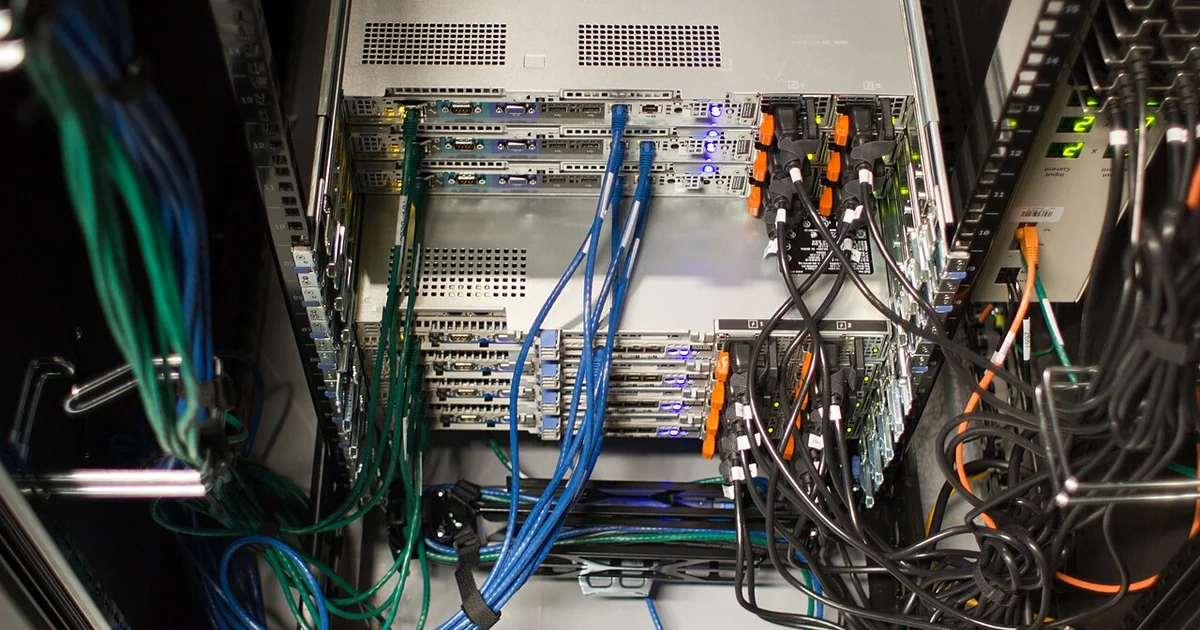
A hardware VPN preorder sits at an awkward point in the product lifecycle. The device may exist as a prototype, a cad model, a set of renders, or a promise on a page. Each of those stages deserves a different level of trust, and buyers who treat them all as equivalent often discover the gap only after payment. This article offers a method for reading a preorder page the way a careful engineer would read a datasheet: asking what is actually demonstrated, what is planned, and what remains unresolved. The goal is not to judge any particular project as good or bad, but to give you a repeatable way to evaluate what is in front of you.
Start by Classifying Every Image and Claim
Begin with the visuals. Product pages often mix several kinds of imagery: photographs of finished units, photographs of prototypes, computer-generated renders, and illustrations meant to convey an idea. Each category tells you something different. A photograph of a finished unit shows that a physical object exists in that form. A render shows the designer's intent and nothing about manufacturing feasibility. An illustration communicates a concept and should never be read as a specification.
A useful habit is to make a short table for yourself with three columns: what the image shows, what kind of image it is, and what it does not prove. For example, a render of a small enclosure with several ports proves the designers have considered a port layout. It does not prove the ports are wired, that the thermal design works, or that the enclosure will survive shipping. Write these down as you go. By the end of a page review, you will have a clear map of which claims are supported by physical evidence and which rest on intent.
Pay attention to labels. Phrases such as development preorder, concept, or planned indicate that the project is still moving. If a page clearly distinguishes between concept illustrations and manufactured photography, treat that distinction as meaningful information rather than legal boilerplate. A seller that marks the boundary between what exists and what is intended is giving you the data you need to make a decision.
Separate Hardware Status From Feature Status
A device can be physically real while its features are still being built. This distinction matters a great deal for a VPN appliance, because the value of the device depends on software behavior that may change during development. Ask separately about the hardware and the feature set. Is the enclosure finalized? Is the firmware in active development? Are the features listed the ones that ship, or the ones under consideration?
When a page lists features, check each one against the status language around it. If a feature is described in the present tense but the device is labeled as planned, the feature is also planned. Be especially careful with features that sound like security controls, monitoring tools, or backup systems. These are often the most important to your use case and the easiest to assume are present. Write each claimed feature on your own list and mark it as confirmed in writing, described as planned, or not mentioned. Anything in the last two categories should be treated as unknown.
Remember what VPN routing does and does not provide. Routing traffic through a tunnel changes the network path your traffic takes. It does not by itself guarantee anonymity, and it does not protect against every form of tracking or compromise. A device can route traffic correctly and still expose information through DNS, application behavior, or the endpoints you connect to. Evaluate the device as one component in a larger plan rather than a complete answer.
A Pre-Commitment Checklist
Before you pay, work through these questions in writing. First, what exactly is being sold: a reserved place in a queue, a deposit toward a unit, or a full payment for a future shipment? Second, what milestones has the seller published, and are they stated as targets or guarantees? Targets are common in development projects; guarantees are a different matter and should appear in the terms. Third, what does the refund policy say about delays, changed specifications, and cancellation? Read the full text rather than relying on a summary.
Fourth, which features does your use case actually require, and are they in the confirmed category? Fifth, what happens to your data and configuration if you change devices later? Sixth, what support is described, and is it described as available now or planned? Seventh, what do you need to do yourself to operate the device safely, including updates, key management, and recovery if something fails? Write down the answers you can find and mark the gaps. A gap is not automatically disqualifying, but it is a risk you are choosing to accept.
Finally, compare your findings against your own network requirements. If you have already documented how many devices you run, which services need to stay local, and what failure would cost you, the checklist becomes straightforward to apply. Without that baseline, it is easy to be persuaded by attractive renders and vague promises. With it, you can see quickly whether a preorder addresses your needs or merely resembles them.
Treat the Page as a Draft Until Proven Otherwise
The most reliable mental model for a preorder is that you are reading a draft. Drafts change. Specifications shift as engineers discover constraints, and timelines slip as suppliers and certification steps take longer than planned. None of this implies bad faith; it describes how hardware development works. What it means for you is that your evaluation should be revisited as new information appears, and that your willingness to commit should depend on how much of the project is confirmed rather than hoped for.
Keep a dated record of what the page said when you evaluated it. Save screenshots or copy the relevant text into your notes. If the page later changes, you will have a clear reference point for understanding what you agreed to. This habit costs a few minutes and can be valuable if questions arise about delivery or features later.
Evaluating a hardware VPN preorder is ultimately an exercise in precision. Name what is real, name what is intended, and name what is unknown. When you can do that clearly, the decision of whether to participate becomes a matter of weighing known tradeoffs rather than reacting to presentation. That clarity is the most useful thing a careful buyer can bring to any early-stage hardware project.